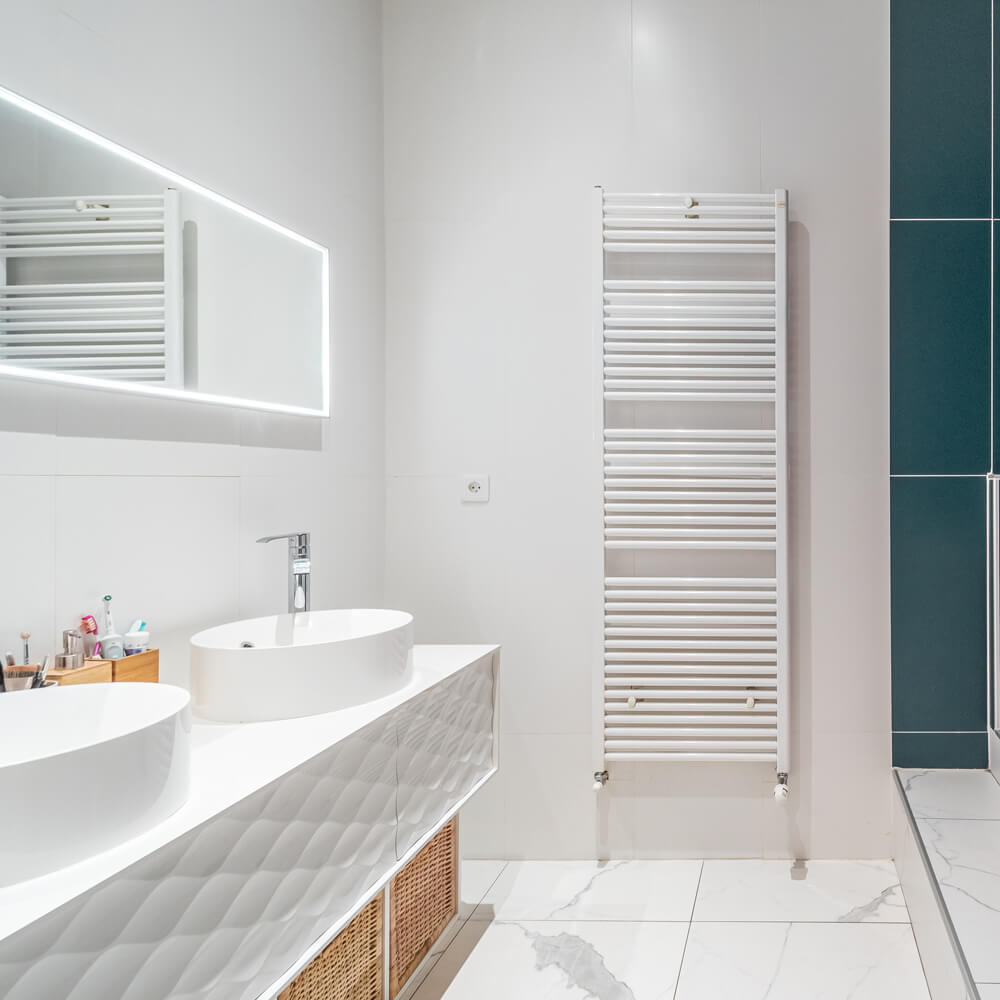
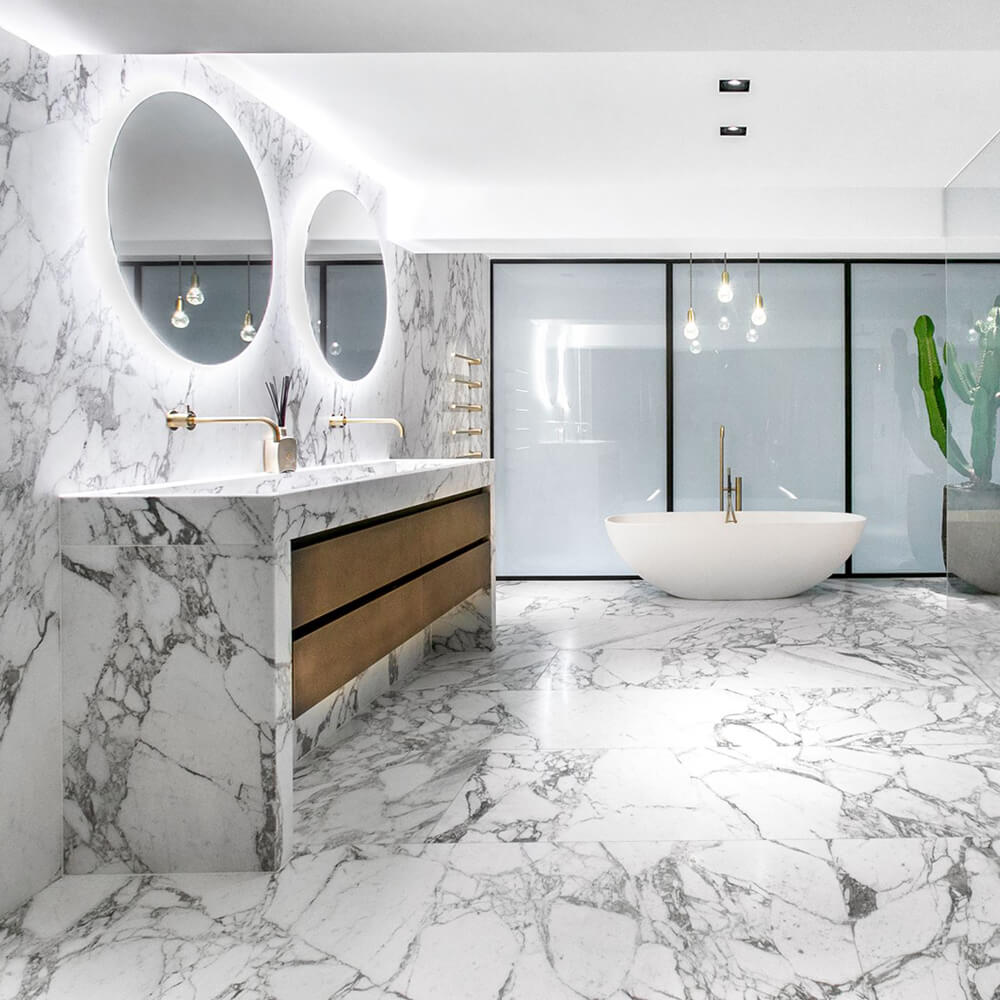
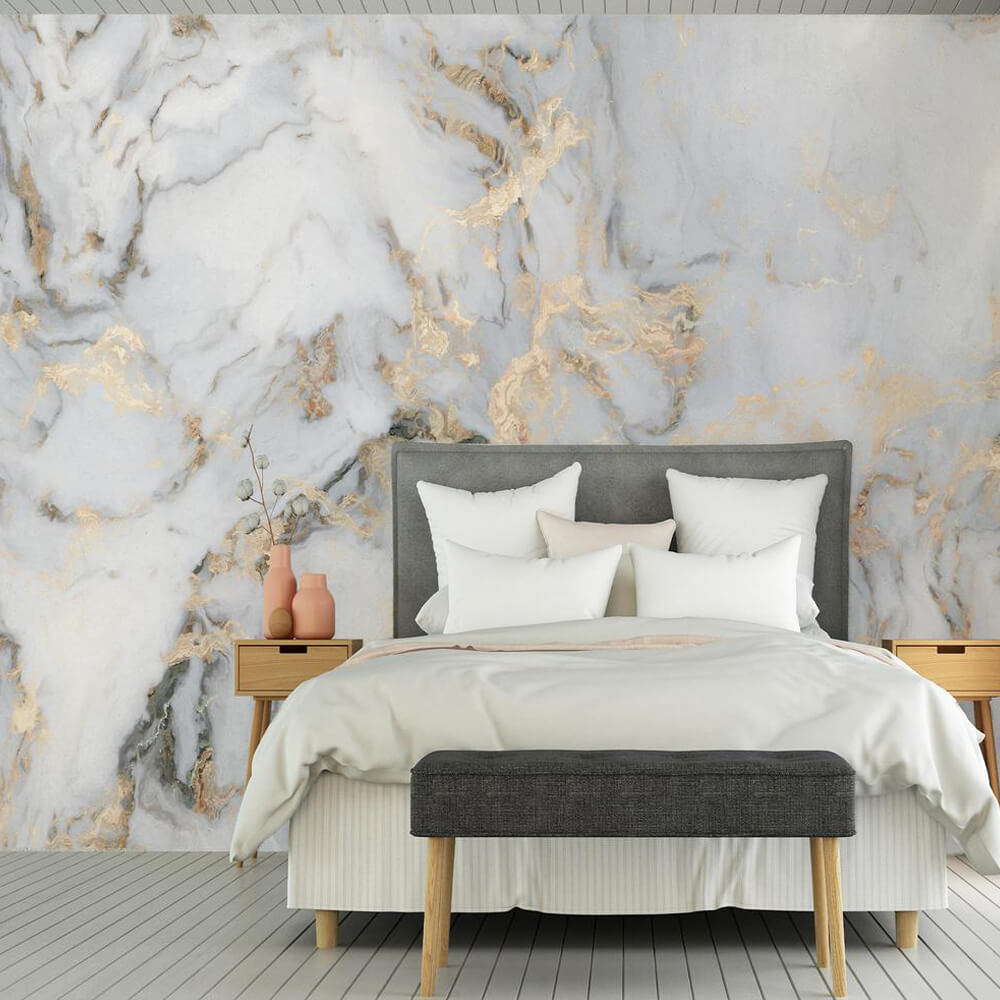
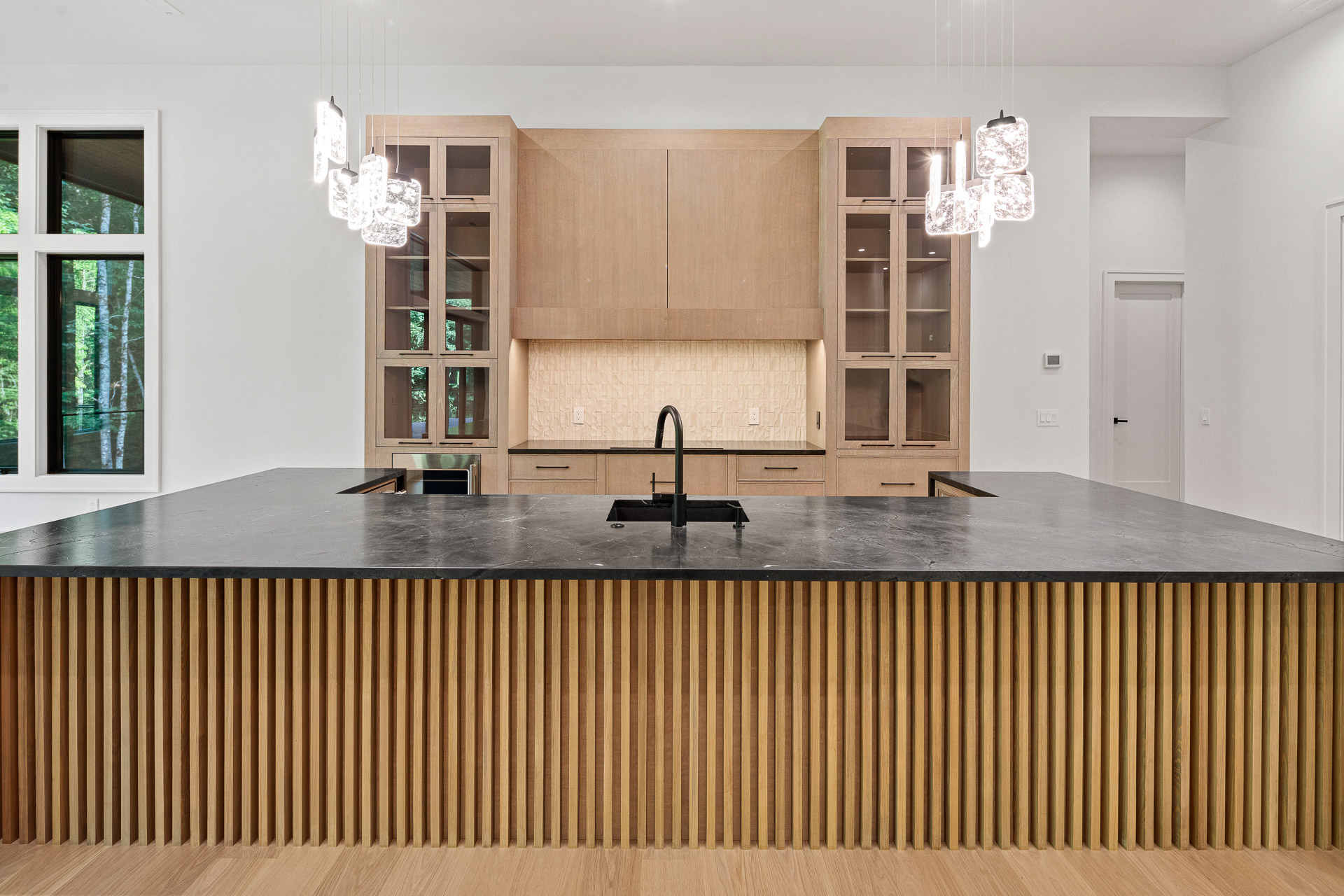
Every January the trend lists arrive, and every July we meet homeowners standing in our showroom trying to separate the looks that will last from the looks that will date a room by 2029. This year the gap between the two is smaller than usual. The strongest 2026 tile and flooring trends are warm, tactile, and grounded in materials that already perform well in kitchens, baths, and entries. Here is what the data says people are choosing, and how to bring each trend home without sacrificing traction, cleanability, or resale sanity.
What Renovating Homeowners Actually Did
Start with behavior rather than mood boards. In Houzz’s 2026 kitchen study, 65 percent of renovating homeowners upgraded their flooring during the project. Among new kitchen floors, ceramic or porcelain tile and hardwood tied as the most common choices at 22 percent each, per the same Houzz 2026 U.S. Kitchen Trends Study. On the wall, tile stayed dominant, covering 72 percent of upgraded backsplashes, while 28 percent went to slab material. The takeaway for anyone planning a remodel is simple. Tile is not fighting for relevance in 2026. The question is which tile, in which format, and with which finish.
The 2026 Trend List, Translated
For the design direction, the tile industry’s own showcase is the best barometer. Coverings, North America’s largest tile and stone exhibition, marked National Tile Day with a top-ten trend list for 2026 that emphasized warm tactile surfaces, concrete and terrazzo looks, matte stone effects, metallic finishes, jade-toned large formats, small-format optical patterns, and organic minimalism.
Translated out of trade language, that means rooms are warming up and calming down at the same time. Matte stone-effect porcelain gives you the limestone or slate mood without the sealing homework. Terrazzo and concrete looks deliver pattern that hides crumbs and paw prints between cleanings. Jade-toned large formats bring color in through big, quiet fields instead of busy accents. And small-format optical patterns, the mosaics and geometric micro-layouts, concentrate personality into powder rooms and niches where a bold choice costs little to change later.
Terracotta, Scallops, and Waves
The fastest-rising shapes and colors this year are expressive ones. Houzz reported in May 2026 that searches for scalloped tile more than tripled year over year, wave tile rose 38 percent, and terracotta flooring climbed 55 percent. We see the same pull in the showroom. Terracotta’s baked warmth pairs naturally with the wood tones and organic minimalism running through the rest of the 2026 palette, and scallop and wave profiles give walls movement without color at all.
Our standing advice is to spend trend equity where it is cheap to spend. A scalloped shower accent wall, a wave-tile backsplash, or a terracotta entry floor delivers the look in a contained dose. If you fall out of love in a decade, you are retiling one surface, not the whole first floor. Field tile in the main areas can stay quieter and carry the trend through texture and warmth instead of shape.
Traction Is a Specification, Not a Vibe
Here is the part the inspiration photos skip. Any tile going into a space that gets walked on wet, a bathroom floor, a shower, a mudroom entry, should be checked against a real standard. The ANSI A137.1 standard uses a wet dynamic coefficient of friction threshold of at least 0.42 for level interior spaces expected to be walked on when wet, according to the Tile Council of North America’s technical comments. The same body cautions that no tile is slip-proof, and that tile size, grout, contaminants, use, and maintenance all affect traction in service.
In practice that means asking for the wet DCOF value on any floor tile you shortlist, favoring matte and textured finishes in wet zones, and remembering that smaller formats put more grout joints underfoot, which helps footing in a shower. A gorgeous glossy large-format porcelain may be exactly right for a dry hallway and exactly wrong for the family bath.
Large Format Wants a Flat Floor
Those serene large-format fields on the trend lists depend on preparation you will never see in the finished photo. Big tiles telegraph every hump and dip in the substrate as lippage, the raised edges you catch with a toe in the dark. Before falling for a large format, have your installer evaluate the slab or subfloor for flatness and price the prep work honestly. An experienced tile setter with a properly prepared substrate is the difference between a floor that looks poured from stone and one that reads as a patchwork. This is a place to hire skill, not to economize.
Choosing a Trend That Survives the Photo Shoot
- Put personality in replaceable layers. Bold shapes and colors belong on backsplashes, accent walls, and small floors. Keep large fields calm.
- Check wet DCOF before you fall in love. For wet-area floors, ask for the number and aim for the 0.42 threshold or better.
- Sample at home. Terracotta, jade, and matte stone effects all shift under different light. Live with a sample for a week before ordering.
- Budget for grout and prep. Grout color changes the whole design, and substrate preparation decides whether large format looks luxurious or lumpy.
- Ask about cleaning. Textured and matte surfaces handle traffic beautifully but have their own care routines. Get them in writing.
Trends are easiest to judge with the actual tile in your hands. At Stone Gallery of WNC you can compare terracotta, scalloped profiles, matte stone-effect porcelain, and large-format fields side by side, borrow samples for your own lighting, and get straight answers on traction, grout, and installation for your specific rooms. Visit the showroom and build a 2026 room that will still be working hard in 2036.